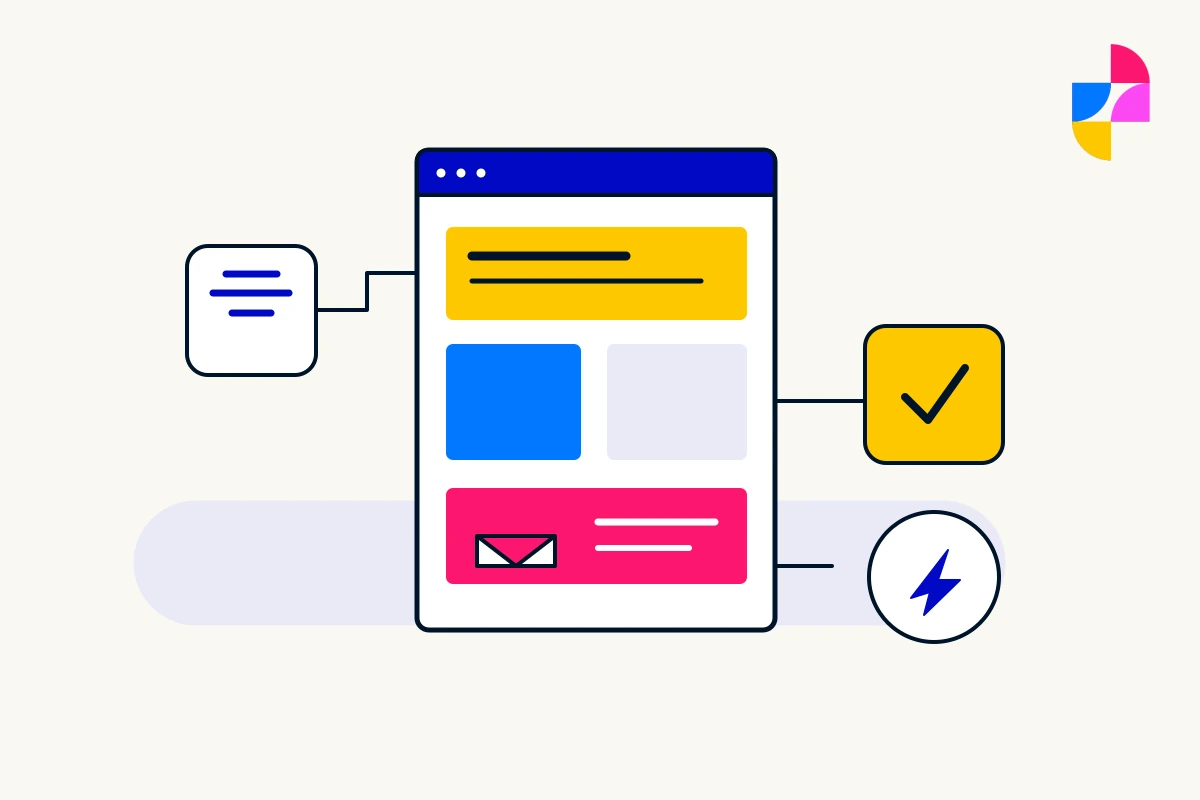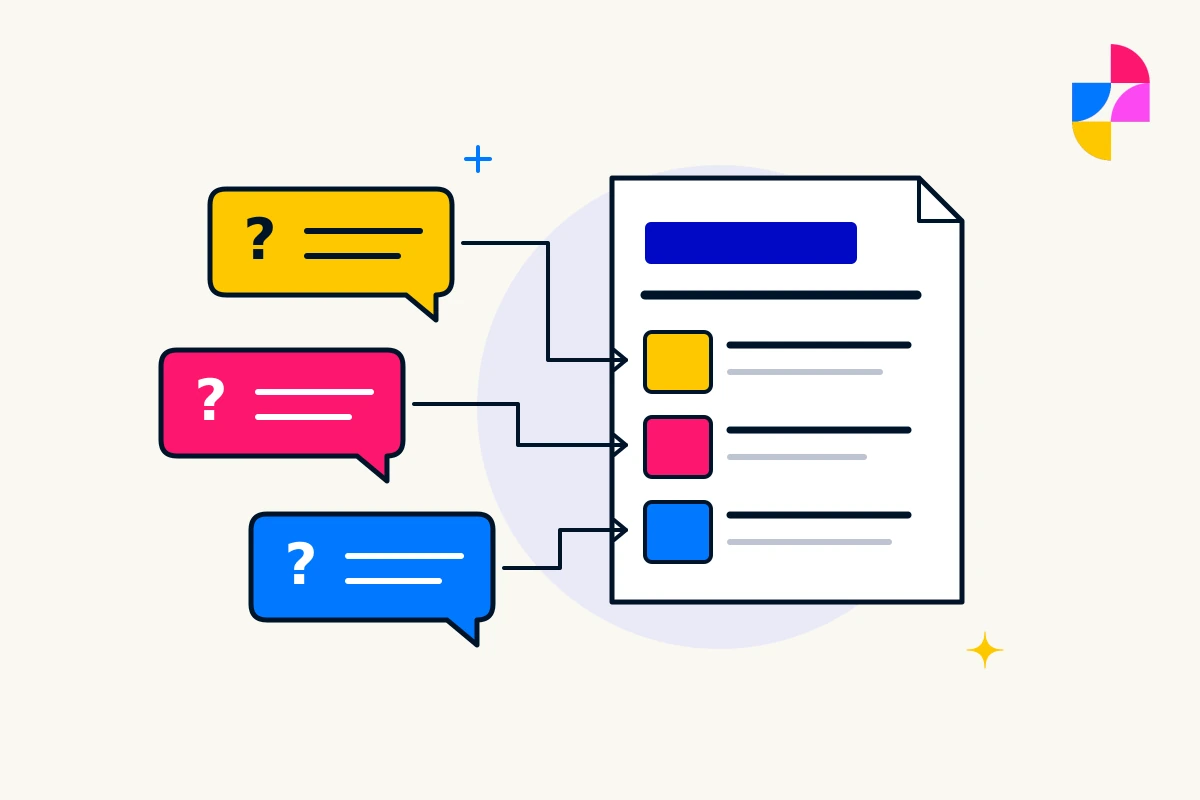
A useful service page should help someone decide whether to contact you. That decision usually starts with ordinary questions: do you handle this kind of work, what is included, and what would happen next?
Use those questions to build your service page content structure. Write the answers first, then decide how to arrange them. A page becomes easier to design when each section has a clear job.
Below is a practical structure, followed by an annotated example for a hypothetical office-cleaning business. The example is invented to demonstrate the writing approach. It does not describe an Imbark client or make claims about a real company.
Collect questions from the people who handle inquiries
Ask whoever answers the phone, prepares quotes, or carries out the work which questions come up before a customer books. Review those themes without copying private customer details into your draft.
Group the questions into fit, scope, evidence, process, cost, and next steps. Prioritize the answers someone needs before contacting you. Questions about managing an existing job may belong in a customer guide rather than on the service page.
For example, a prospective cleaning customer may need to know whether you handle small offices. A current customer may need to know how to change the alarm instructions. Those are different tasks with different destinations.
Give the opening a specific job
The opening should name the service, identify its audience, and explain the relevant outcome. Add location or service-area information when it determines whether you can help. Avoid making readers interpret a slogan to work out what you sell.
Use a descriptive main heading followed by a short explanation. The first contact link can appear here for visitors who already know what they need. Everyone else should be able to continue into the detail.
For custom web design, content and layout need to work together. A long introduction can push essential scope information down the page, while a heading with no explanation can leave a new visitor guessing.
Use sections that answer one decision at a time
A practical order is: who the service is for, what it includes, why the reader can trust the information, how the work begins, what affects the quote, and how to inquire. Adjust the order when your customers have a clear deciding question, such as whether you cover their location.
Use headings that describe their sections. “What the cleaning plan covers” is more informative than “Our difference.” W3C’s writing guidance for accessibility recommends meaningful headings and descriptive link text. Headings also need to be marked as headings in the page editor; making a sentence large and bold is not the same thing.
An annotated service page example
Opening: establish service and fit
Example copy: “Office cleaning for small workplaces. Arrange recurring cleaning around the rooms you use, your opening hours, and the tasks you need covered.”
Why it belongs here: The reader can identify the service and audience immediately. A real business should add its actual service area and only describe scheduling options it offers. The page heading would be the service name, not the explanatory annotation used in this article.
Scope: make the work concrete
Example copy: “Your agreed cleaning plan lists the areas and tasks covered. These may include desks and shared surfaces, kitchen areas, washrooms, floors, and bins. Tell us about any specialist cleaning requirements before we prepare the plan.”
Why it belongs here: Specific areas make the offer understandable. The word “agreed” sets an expectation that scope will be confirmed. For publication, replace this example with the business’s real inclusions and exclusions. Do not leave important limitations hidden in a later conversation.
Evidence: show relevant work honestly
Suggested page content: An approved photograph of work the business actually completed, with a factual caption explaining the setting and scope. An attributable customer testimonial could sit nearby if permission and wording are confirmed.
Why it belongs here: Evidence should help the visitor assess this service. A genuine example with clear context is more useful than a decorative badge or a result that cannot be verified. If you lack publishable evidence, explain the process accurately and build the evidence section when suitable material exists.
Process: explain what follows an inquiry
Example copy: “Tell us about your office, location, and preferred cleaning schedule. We will review the details with you and confirm what information is needed to prepare a quote.”
Why it belongs here: This explains the next interaction without promising a visit, price, or response deadline the business may not provide. Write the real process in the same plain terms.
Cost: give useful context without invented prices
Example copy: “The quote depends on the areas to be cleaned, the tasks included, and how often the service is needed. Share those details when you inquire.”
Why it belongs here: If pricing is individual, explain what affects it and what the customer should prepare. If you publish prices, define the scope and conditions clearly. Never add a starting price simply because the layout has a space for one.
Next step: ask for the information you can use
Example button: “Ask about office cleaning.”
Supporting text: “Include your office location, the spaces to be cleaned, and your preferred schedule.”
Why it belongs here: The action matches the visitor’s stage and explains how to begin. The destination should let them complete that action without searching again.
Review the page as one connected conversation
Read only the headings. Do they outline a sensible decision? Then read the opening and contact section together. Do they describe the same service and next step?
Remove repeated claims. Move important answers out of a catch-all FAQ and into the section where people need them. Keep any remaining questions specific, such as preparation requirements or service boundaries.
Once the service changes, update the page. Imbark’s ongoing website support includes help with website updates and changes. If you have a service page that is difficult to explain, send us its address and the questions customers keep asking. That is a useful starting point for discussing clearer content and structure.